Ledge, Field Stone, Timberledge or Thin Brick? How to Choose Your Stone Veneer Style
A plain-English guide to the stone veneer styles we carry, what each one looks like on a wall, and how to pick a color that works with your home.
Every stone in our catalog works indoors and outdoors, so the real question is the look you want. The style (the shape of the pieces) sets the character of the wall. The color decides how it sits with your roof, trim and floors. Here is how to think about both.
The styles, in plain words
Ledge Stone — clean and stacked
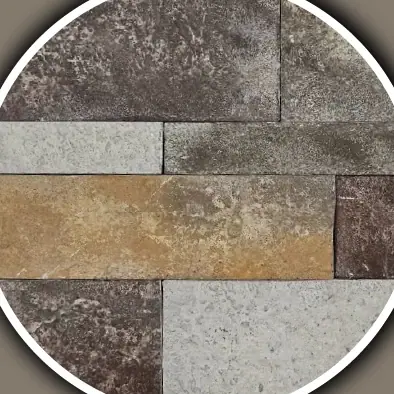
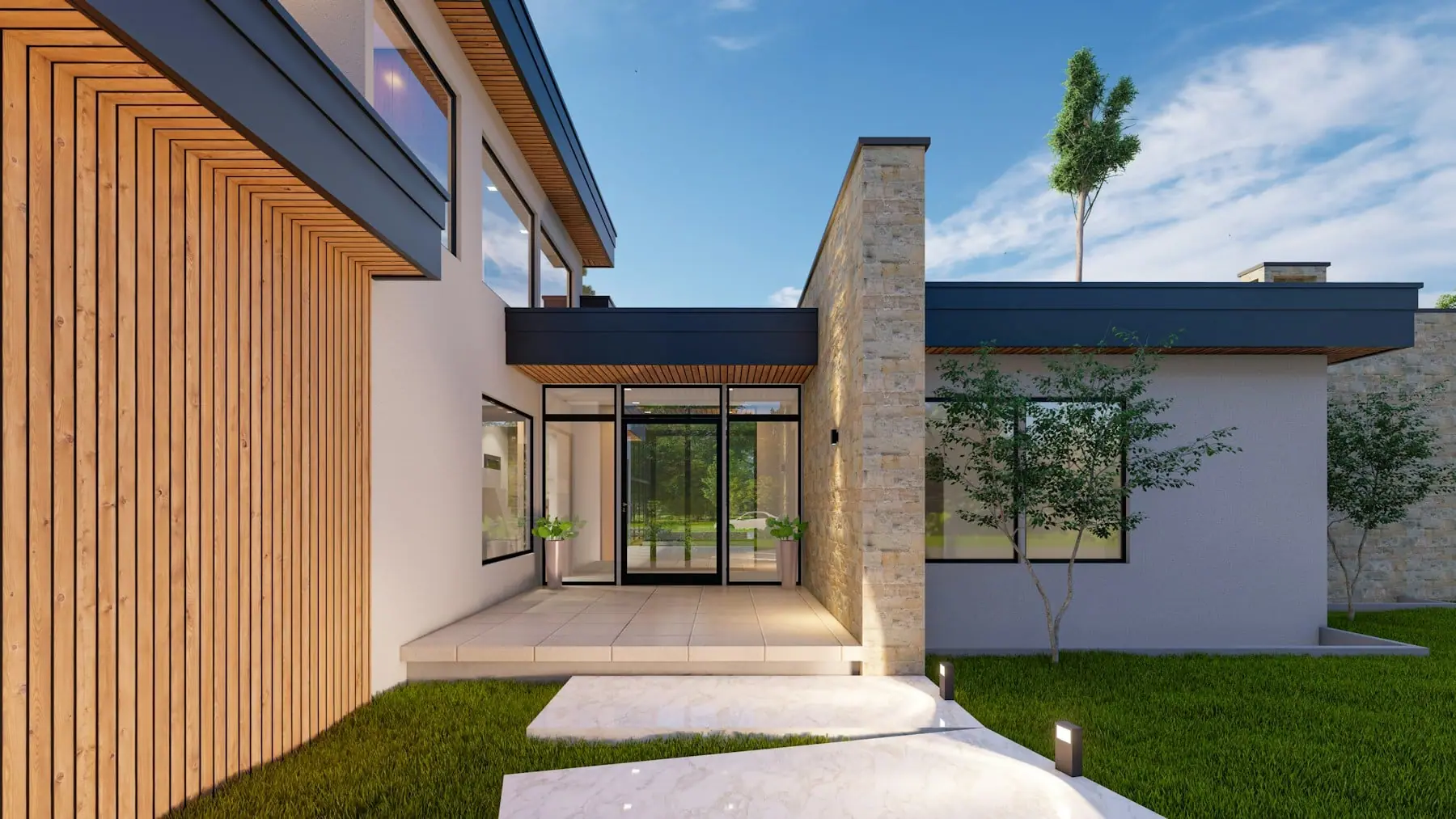
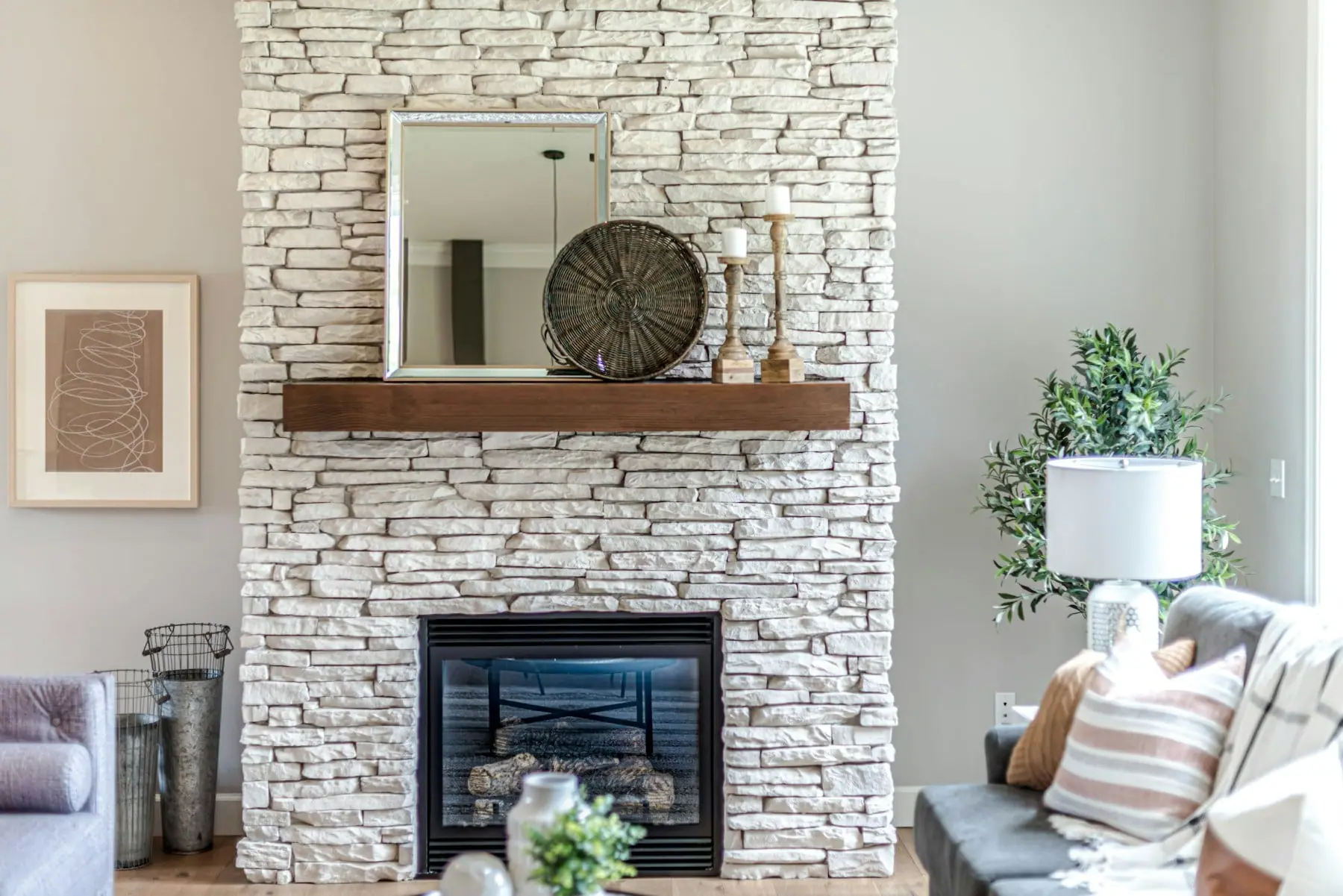
Long, rectangular pieces stacked in horizontal rows with tight joints. It reads modern and tidy, and it is the most popular choice for fireplaces, columns and accent walls. Try Autumn Blend or Buck County.
Southern Ledge — layered and hand-split
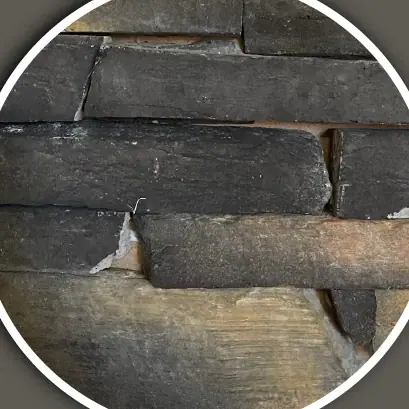
Thinner, layered pieces with rougher edges and more shadow between them. It has more texture than classic ledge stone and looks great where light hits the wall from the side. See Dark Midnight or Suede.
Field Stone — rustic and irregular
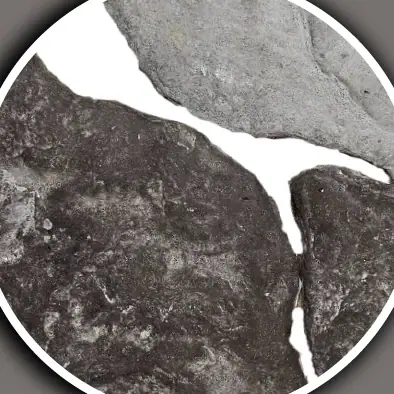
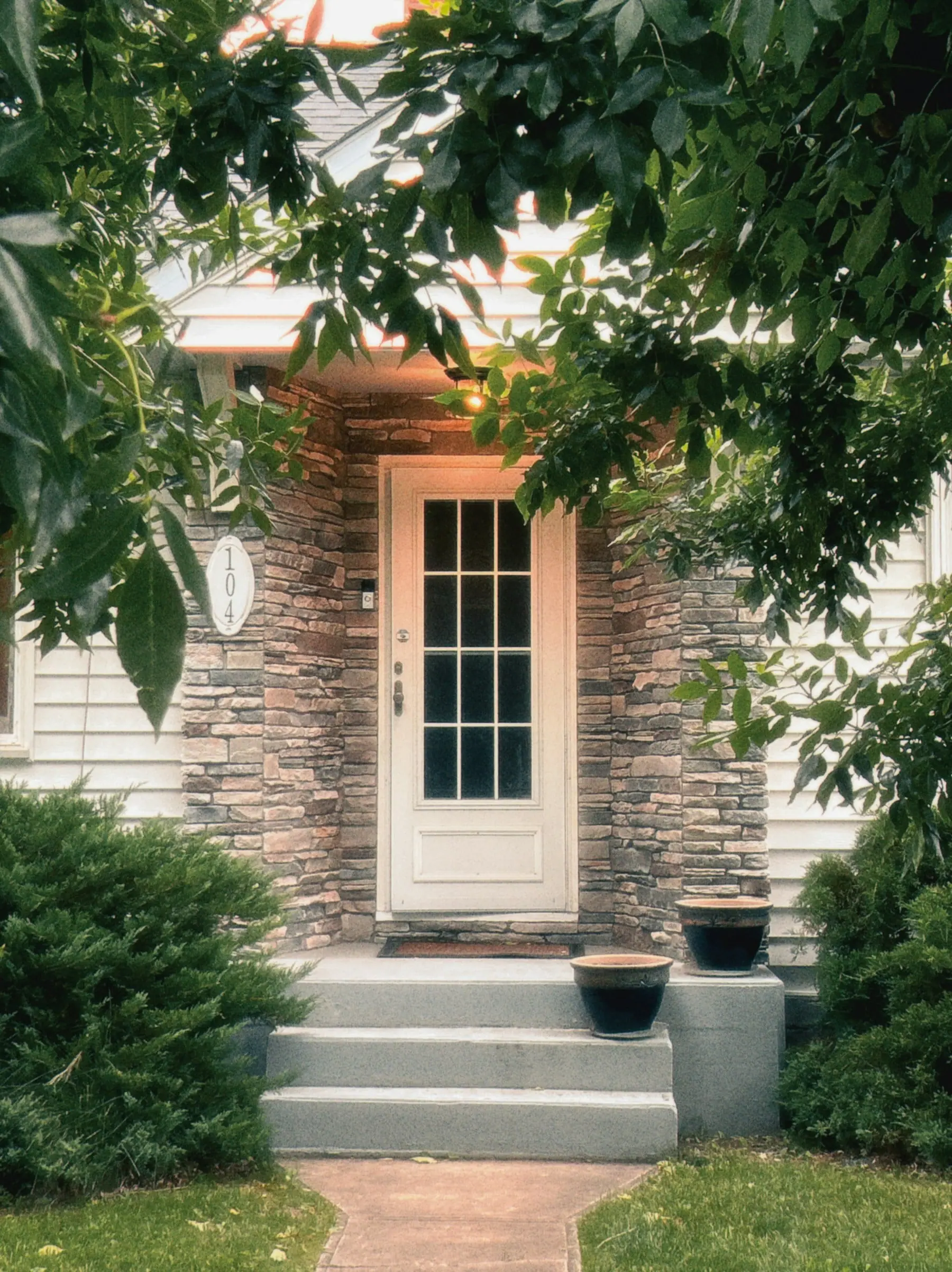
Large, irregular stones with visible mortar joints between them, like a wall built from stones found in a field. Perfect for a cottage, farmhouse or lodge feel. See Field Stone Chalk and Field Stone Mountain.
Timberledge — stone with a wood grain
Plank-shaped pieces with a grain that recalls weathered wood. It brings warmth to modern spaces and pairs nicely with real wood beams or a wood mantel. See Timberledge Mountain or Timberledge Chalk.
Thin Brick — the brick look without the bulk
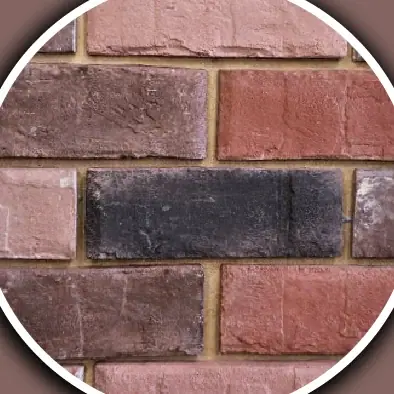
The classic look of brick in a thin profile, from red Crimson to a whitewashed Chalk. Ideal for kitchens, basements, industrial-style rooms and traditional facades.
Castle & Classic Stone — big blocks, old-world feel
Larger squared blocks with a chiseled face. Castle Stone has bigger, smoother blocks with thin joints; Classic Stone is rougher and more rustic. Both give a facade weight and presence.
Strip Stone — even and contemporary
Even strips with a split face. The most uniform pattern we carry, great for clean contemporary designs. See Natural Gray and Chalk.
Choosing the color
In our catalog you can filter every stone by tone:
- Light (whites, creams, chalk): brightens a room, makes small spaces feel larger and looks crisp on modern homes.
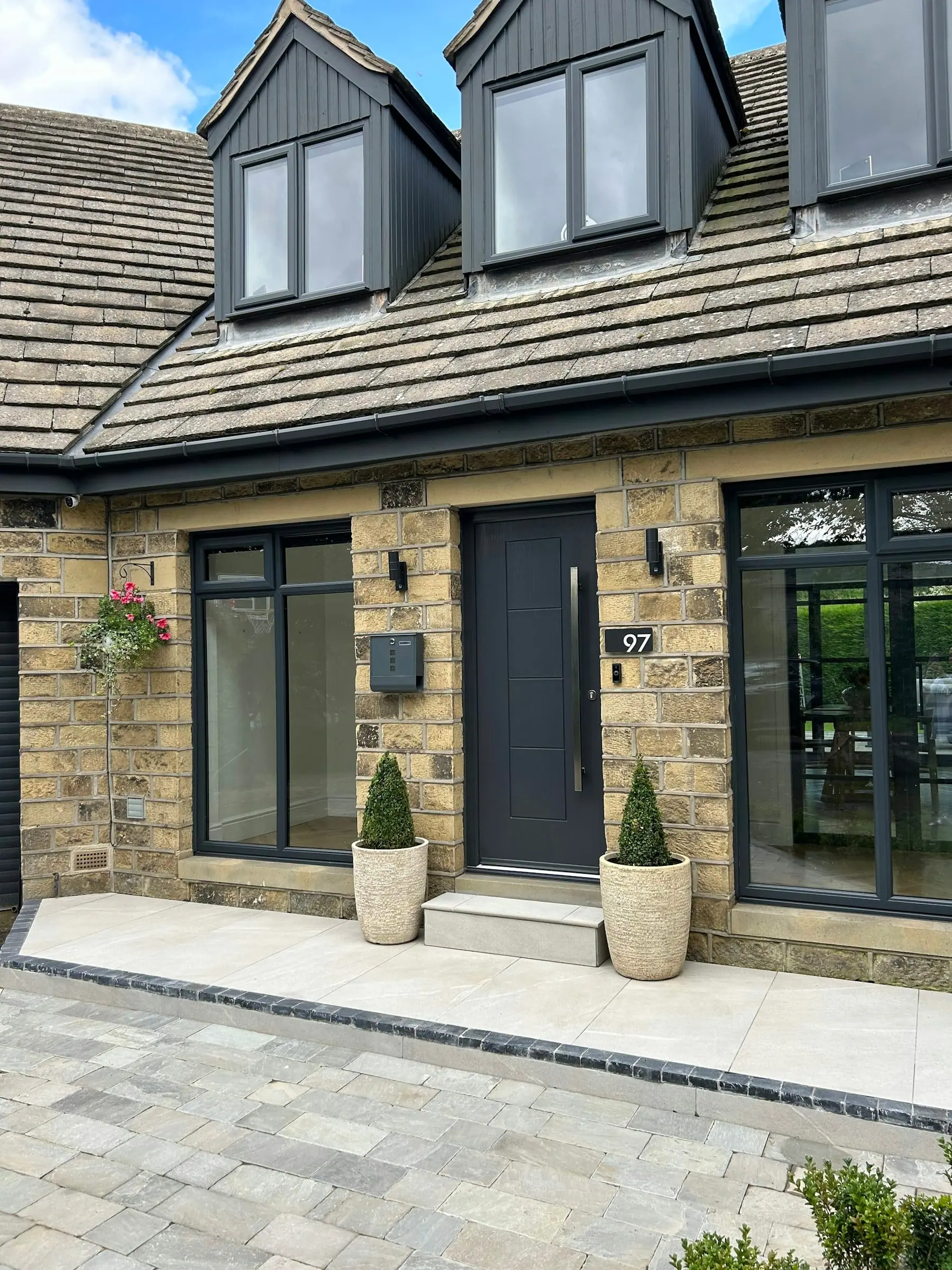
- Warm (tans, buffs, browns, rust): friendly and traditional; works with wood floors, beige siding and brown roofs.
- Dark (charcoal, slate, deep gray): dramatic and modern; a strong contrast against white trim or light siding.
A simple rule for exteriors: pick a stone that shares one color with your roof and one with your trim or siding. The stone then ties the whole house together instead of competing with it.
For interiors: look at the floor and the largest piece of furniture. A warm floor usually asks for a warm or light stone; a gray floor goes well with light or dark tones.
See it before you decide
Photos on a screen are never the same as stone in daylight. Every order starts with an approved sample, so you can see the real color and texture next to your siding or paint before the full order.
Browse all styles in the stone catalog, download the catalog PDF, or ask us for a recommendation — send a photo of your house or room and we will suggest two or three options.